
 Irma D. Rutherford
 Most construction and demolition jobs produce more waste than people expect. Soil piles up fast. So does gravel, concrete rubble, and green waste. Getting all of that off-site or bringing fresh materials in requires teams to have the right vehicle. Tipper trucks handle this work better than almost anything else on four wheels. For contractors, site managers, and landscapers across Australia, hiring one is usually cheaper and faster than trying to manage bulk loads any other way.
Why Tipper Trucks Are Essential for Waste and Material Management
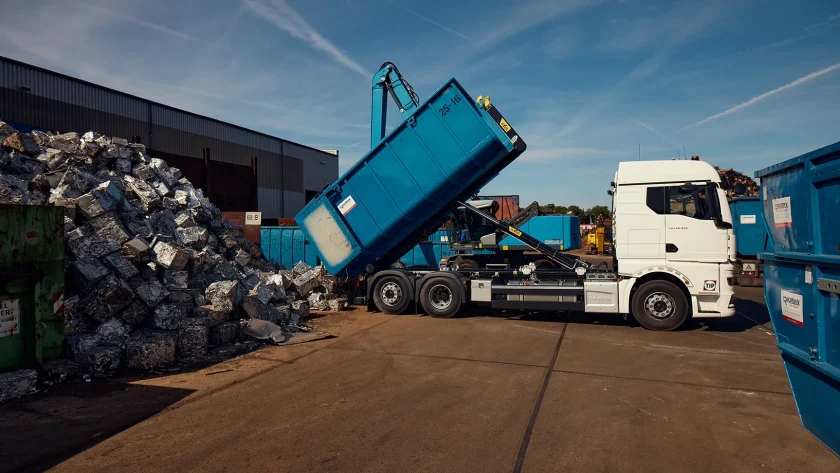
At its core, a tipper truck does something straightforward. It carries a heavy load, drives it where it needs to go, and tips it out. Simple as that sounds, this single function can shave hours off a project that involves earthmoving or demolition clean-up. Contractors looking for reliable hauling and disposal options can browse tipper truck hire services that match them with local operators right across Australia.
What makes these trucks so widely used is their flexibility. They show up on all kinds of job sites for all kinds of reasons:
- Carting excavated soil away from residential or commercial digs
- Dropping off sand, gravel, or crushed rock for road base work
- Clearing out demolition rubble and broken concrete
- Shifting green waste, mulch, or fresh topsoil on landscaping jobs
- Ferrying aggregate between stockpile yards
The numbers back this up, too. According to the Australian Bureau of Statistics, construction activity generated over 29 million tonnes of waste during the 2022–23 financial year. Much of that material had to reach a recycling facility or licensed landfill, and tipper trucks did the bulk of the heavy lifting thanks to their hydraulic tipping systems and generous payload capacity.
Buying a truck outright rarely makes sense for a single project. Hire removes the hassles of rego, insurance, servicing, and finding somewhere to park the thing when the job wraps up.
Choosing the Right Tipper Truck for Your Project
Tipper trucks come in a wide range of sizes. On the smaller end, you’ll find single-axle models suited to tight residential jobs. On the larger end, semi-tippers can handle 30 tonnes or more per load. Picking the wrong size wastes time and money, so it’s worth thinking through a few things before booking.
Here’s what matters most:
- Load volume and weight can’t be ignored. A backyard renovation might only call for a 3-tonne truck, while a road construction project could need a full fleet of semi-tippers running all day.
- Site access is key. Narrow driveways, low-hanging trees, and cramped urban blocks all limit what can safely get in and out.
- Material type has a role to play. Wet clay is far heavier per cubic metre than dry mulch. The truck’s payload rating has to suit what’s being carried.
- Travel distance affects the next step. If the disposal point is 40 minutes away, a bigger truck cuts down on round trips.
One other thing worth asking about is whether the hire comes with a driver. Wet hire means the truck shows up with an experienced operator behind the wheel. Dry hire puts that responsibility on the hirer. For most people, wet hire is the safer and less stressful option.
A five-minute phone call with the tipper truck hire company about the project scope usually prevents mismatches. Too small a truck means the crew sits around waiting for extra runs. Too large, and half the payload capacity goes unused.
Safety and Compliance on Australian Work Sites
Running a tipper truck on a live construction site carries real safety obligations. Safe Work Australia sets out clear guidelines around heavy vehicle visibility, reversing procedures, and load restraint.
A few compliance basics that every site should have covered:
- The truck needs a current roadworthy certificate and a valid registration
- Drivers must hold the correct heavy vehicle licence for the truck class
- A spotter should guide all reversing movements on active sites
- Loads have to be properly restrained before the truck hits public roads
- State-based chain of responsibility laws apply to everyone involved in the transport, not just the driver
Overloading is one of the more common problems. It tears up roads, blows out braking distances, and puts other drivers at serious risk. The National Heavy Vehicle Regulator (NHVR) enforces mass limits in every state and territory. Penalties for breaches are steep, and repeated offences can cost an operator their authority to work.
Good hire companies stay on top of fleet maintenance and carry public liability insurance as standard. That protects both them and the client if something goes wrong on site.
Final Thoughts
Hiring a tipper truck is one of the more straightforward decisions on any project that involves moving bulk materials or waste. It cuts down on manual labour, keeps timelines tight, and helps tick the right boxes for safety compliance. The key is matching the truck to the job: right size, right access, right operator. Whether it’s a single load of topsoil for a garden bed or thousands of tonnes of rubble from a demolition site, the right tipper gets the job done without fuss.