
 Irma D. Rutherford
 Material strength testing is vital for safety, quality, and innovation. This is where the universal testing machines come into play by discovering the properties of materials. Based on them, engineers, researchers, and quality control technicians can determine the fundamental accuracy of their product and set safety requirements. Understanding the role of these machines helps explain why they remain essential in modern testing environments.
Knowing how these machines function makes it clear why they are so important for accurate test evaluations. A Universal Testing Machine allows professionals to apply controlled forces and measure how materials respond, making it a key tool across many industries. Here is a closer look at how they work and why they matter. From key components to real-world applications, each aspect plays a part in delivering accurate results.
Purpose of Material Strength Testing
Mechanical testing of materials assesses the performance of materials under various forms of load. These tests establish endurance, elasticity, and failure points on materials, components, including metals, plastics, and composites. Data from these tests are reliable enough to enable the selection of suitable materials for appropriate applications while ensuring the required performance as well as safety. They also help identify potential flaws prior to products being made accessible to end users.
Function of Universal Testing Machines
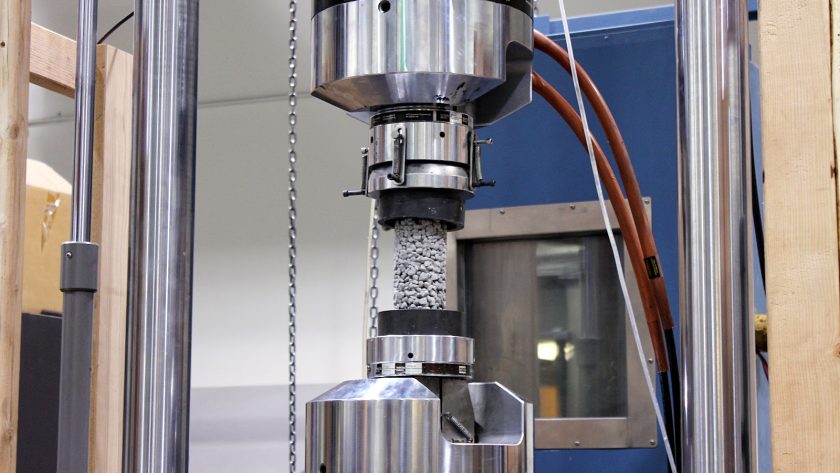
Universal testing machines are common, general-purpose devices for mechanical property testing. Using tension, compression, or bending, these machines provide controlled forces to the sample. The apparatus measures specific properties like force, extension, and strain during these tests. It provides professionals with the necessary information for determining the limits and behaviour of materials under stress. This adaptability makes the machines widely applicable in various industries.
Key Components and Their Roles
Every universal testing machine is comprised of a few key components. This component provides structural support for the test. Grips or fixtures hold the specimen in place tightly to avoid slipping and ensure accuracy. A load cell measures applied force with high accuracy, while extensometers or displacement sensors detect variations in sample length or changes in the shape of the sample. All these elements combine, in the end, to provide a consistent outcome with high reliability.
Importance of Calibration and Consistency
Universal testing machines must be calibrated periodically to get trustworthy results. It works by calibrating the device to known values so that the measurements are consistent. Regular calibration minimises the possibility of incorrect measurements, which can ultimately compromise the safety or quality of products. According to NIST, following proper testing standards is essential for reliable and repeatable outcomes. It also prolongs the equipment lifespan and maintains dependability for future tests.
Test Methods Supported
Universal testing machines offer multiple test methods for various materials and needs. Criteria such as tensile, compression, flexural, and shear are common procedures. Different methods present particular information about the sample behaviour in different circumstances. These machines can also handle a wide variety of specimen sizes and shapes, making them suitable for many applications in different industries.
Data Collection and Analysis
In every test, the machine collects detailed information about the material response, including force-displacement curves, stress-strain graphs, and breaking points. Experts use this information to evaluate a given material for use or, for example, in a particular process. Accurate record-keeping and accurate documentation are a vital part of the process that helps quality control for research and compliance with safety regulations.
Applications Across Industries
These universal testing machines are used in different fields such as construction, automotive, aerospace, and consumer goods. To create products that can survive the rigours of the real world, these industries rely on accurate material data. For instance, construction materials need to adhere to high standards to maintain structural stability, and automotive parts need to pass rigorous strength tests to protect the passengers.
Ensuring Reliability and Safety
Universal testing machines are used by manufacturers to ensure that the products they manufacture meet the specified safety and performance standards. Conducting routine strength measurements ensures that failures do not occur and lead to expensive recalls or dangerous exposures. Proper testing also enables continuous improvement as it reveals components of materials or designs that can be further improved.
Challenges and Solutions
Although the universal testing machines provide accuracy, they still suffer from some drawbacks. Results are influenced by differences in sample preparation, incorrect calibrations, or improper machine settings. Common problems can be avoided by following standard procedures, regular equipment maintenance, and calibration, which keeps results consistent every time you test.
Conclusion
Universal testing machines are the most valuable tools for the strength evaluation of a material. Their precision and consistency enable safety, innovation, and quality in various sectors. By working with professional experts and following stringent testing standards, professionals can ensure the right materials are chosen for today’s growing demands.